No products added!
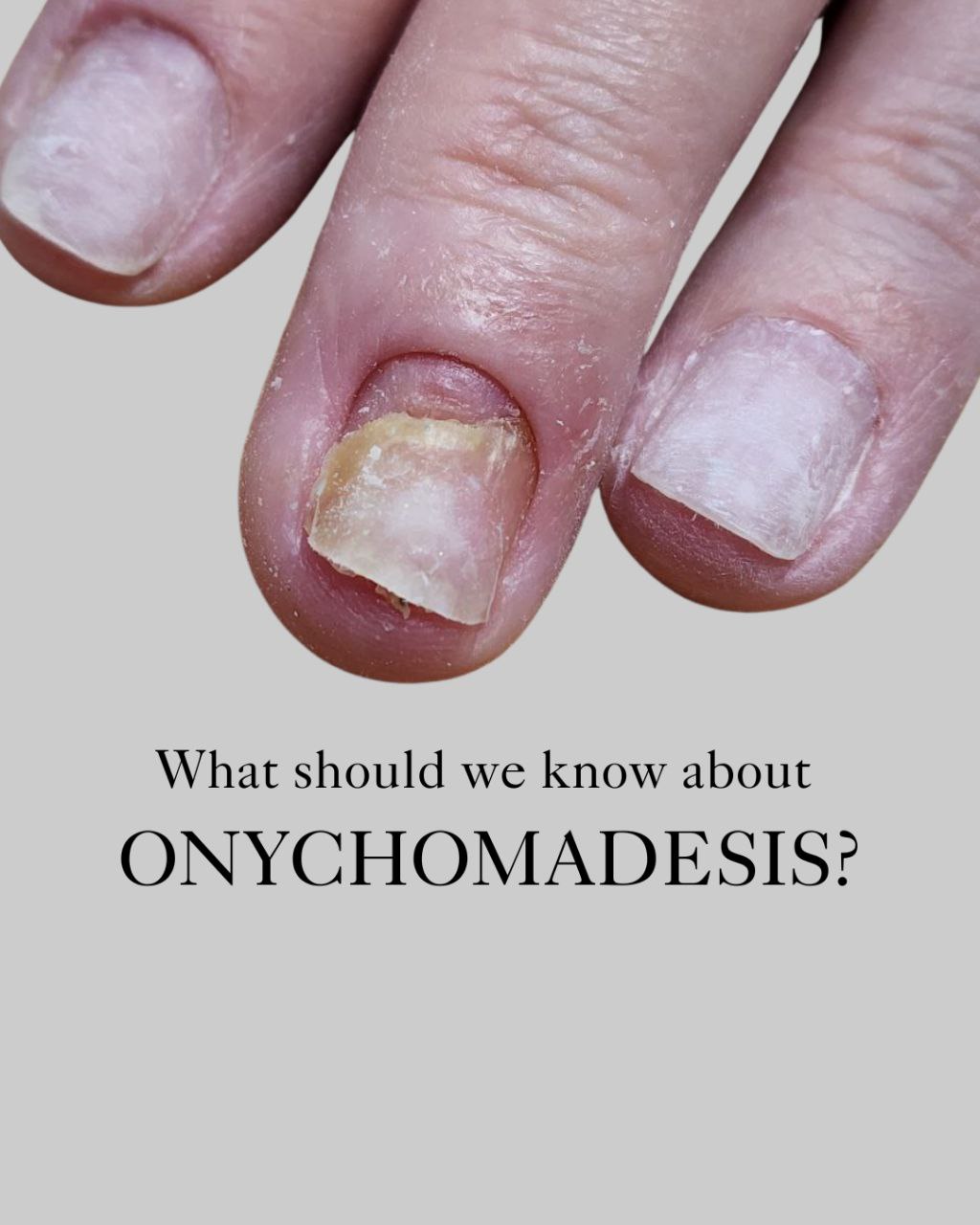
Our nails often tell a story about our overall health. When they change suddenly—whether they become brittle, discolored, or start to separate—it’s a signal that something may be going on beneath the surface. One such condition that can appear unexpectedly is onychomadesis.
What Is Onychomadesis?
Onychomadesis is a condition where the nail plate separates and eventually sheds completely from the nail bed. It can affect both fingernails and toenails. This process happens because of a temporary interruption in nail growth at the nail matrix (the area under the cuticle where new nail cells are formed). As a result, the nail stops growing for a while, weakens, and then detaches as a new nail begins to grow underneath.
Common Causes
Onychomadesis can be triggered by several factors, including:
- – Injury trauma: Physical damage to the nail or nail bed can disrupt nail growth.
- – Severe infections or illnesses: Conditions like hand-foot-and-mouth disease (especially in children) can lead to nail shedding a few weeks after recovery.
- – High fever or systemic stress: Illnesses that put stress on the body can temporarily halt nail production.
- – Certain medications or medical treatments: Some antibiotics, chemotherapy, or systemic medications can affect nail growth.
- – Nail infections: Fungal or bacterial infections may weaken the nail plate and cause separation.
In many cases, the cause is temporary and reversible once the underlying issue resolves.
Symptoms to Watch For:
- Nail discoloration or visible horizontal lines (known as Beau’s lines)
- Lifting or loosening of the nail from the base
- Complete nail shedding over time
- Tenderness or mild discomfort around the affected area
Is It Dangerous?
Onychomadesis itself is not dangerous, but it can be a sign of another underlying condition or physical stress that needs attention. Once the cause is addressed, the nail typically regrows naturally over several months. Fingernails usually take 4–6 months to regrow, while toenails may take up to a year.
How to Care for Affected Nails?
If you’re experiencing nail shedding, proper care can support healthy regrowth:
- Keep the area clean and dry to prevent infection.
- Avoid harsh manicures, nail glue, or polish until new nail growth is stable.
- Apply a gentle moisturizing oil or cream around the cuticles to nourish the nail bed.
- Protect your nails from further trauma by wearing gloves or soft shoes, depending on the affected area.
- If the condition persists or is accompanied by pain, swelling, or recurrent shedding, consult a dermatologist for evaluation.
Final Thoughts
Onychomadesis can look alarming, but it’s often a temporary condition. With the right care and attention to your overall health, your nails will typically grow back strong and healthy. Being aware of the causes and early signs helps you take preventive measures and seek timely advice from a professional when needed.
Related Article