No products added!
1. Poor Blood Circulation:
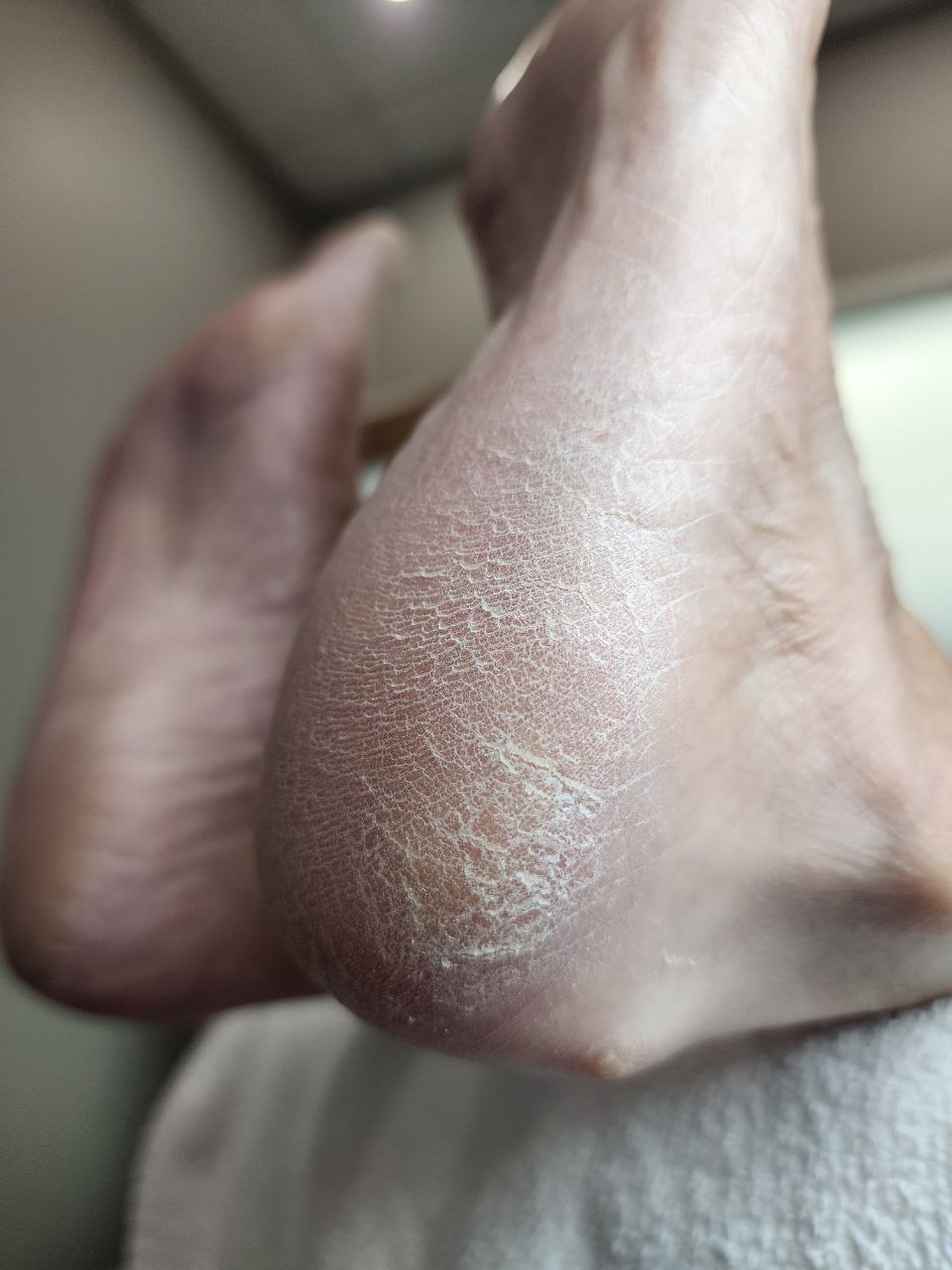
Less blood flow to the feet means the skin receives fewer nutrients and oxygen, which slows healing and leads to dry, thin, or cracked skin.
2. Nerve Damage (Neuropathy)
Diabetes can cause peripheral neuropathy, which reduces sensation in the feet.
People may not feel pain, heat, or injuries, allowing small cuts, blisters, or cracks to go unnoticed and become infected.
3. Dry Skin & Cracks
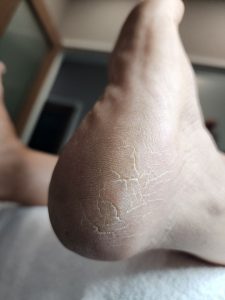
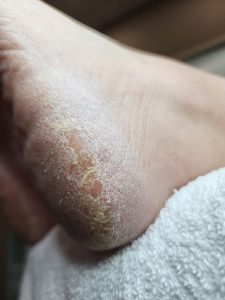
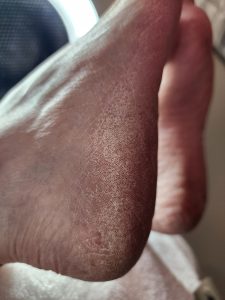
Diabetes often causes dryness due to nerve damage affecting sweat and oil glands.
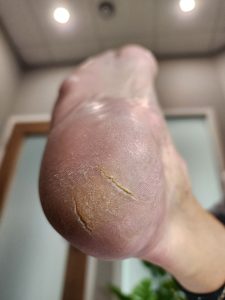
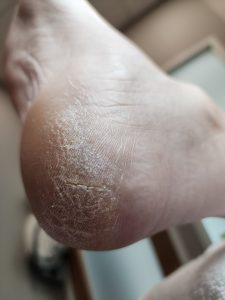
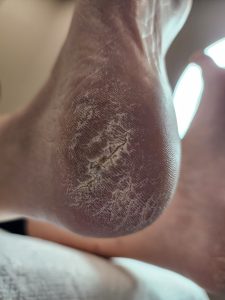
This leads to cracked heels and flaky skin, which increases the risk of infections.
4. Higher Risk of Infections
Damaged skin barriers and poor immunity make the feet more vulnerable to fungal and bacterial infections.
Even small wounds can turn into ulcers if not treated.
5. Slower Wound Healing
Reduced blood flow and high sugar levels make it difficult for wounds to heal.
This can lead to chronic wounds or diabetic foot ulcers, which sometimes require serious medical intervention.
👣 Prevention & Care Tips:
• Daily foot inspection for cracks, cuts, or color changes.
• Moisturize feet daily, especially heels (avoid between toes).
• Use professional foot care products like urea-based creams.
• Don’t soak feet for long, especially in hot water.
• Regular foot care appointments like SMART PEDICURES.
• Always wear shoes and socks to avoid injuries.
• Control blood sugar levels with proper diet and medication
.



Related Article